

Greg wrote after two months of dating someone he enjoyed being with. Delayed replies bothered him, and he felt especially hurt after she canceled plans and he saw photos of her out with friends. He wanted to know how to respond.
Greg’s letter
Dear Joshua,
I can’t understand women. Well, specifically a certain woman. We began dating about two months ago. I thought things were going okay; we get along well, we have good laughs, and the sex is great. But I feel like she’s just stringing me along.
There’s been days when I’ve texted her in the morning, but didn’t get a reply until the evening. One day, I didn’t hear from her at all. Her phone just went to voicemail. The next day, she told me she just fell asleep.
We had plans to go out last weekend, but she told me she wasn’t feeling well, so she couldn’t go. But later that night, she was tagged on social media in photos out with her friends having drinks.
But that wasn’t the worst thing. Yesterday, I called her number, but her friend answered her phone. When I asked to talk to her, I could clearly hear her whispering, “I’m not here!”
When I asked her about that, I told her if she kept messing around with me, I was going to end it. She cried and said she was in love with me, and begged me to stay. Then we had sex.
What’s happening here? Is she playing me? Should I move on?
Is every woman this difficult to understand?
Thanks,
Greg
Talk about what happened
Greg, people answer messages at different speeds. You can still bring up the specific incidents that left you unsure what to expect. Try, “When our plans were canceled and I saw the photos later, I felt confused. I’d like us to be direct about when we’re available and what we want.”

Decide what you need to continue
Listen to what she says and notice what happens afterward. You can ask for clearer plans and direct communication, and she can decide whether that works for her. If you keep feeling unable to trust each other, you can end things respectfully. A person’s response to a difficult conversation tells you more about this relationship than a theory about how women or men behave.
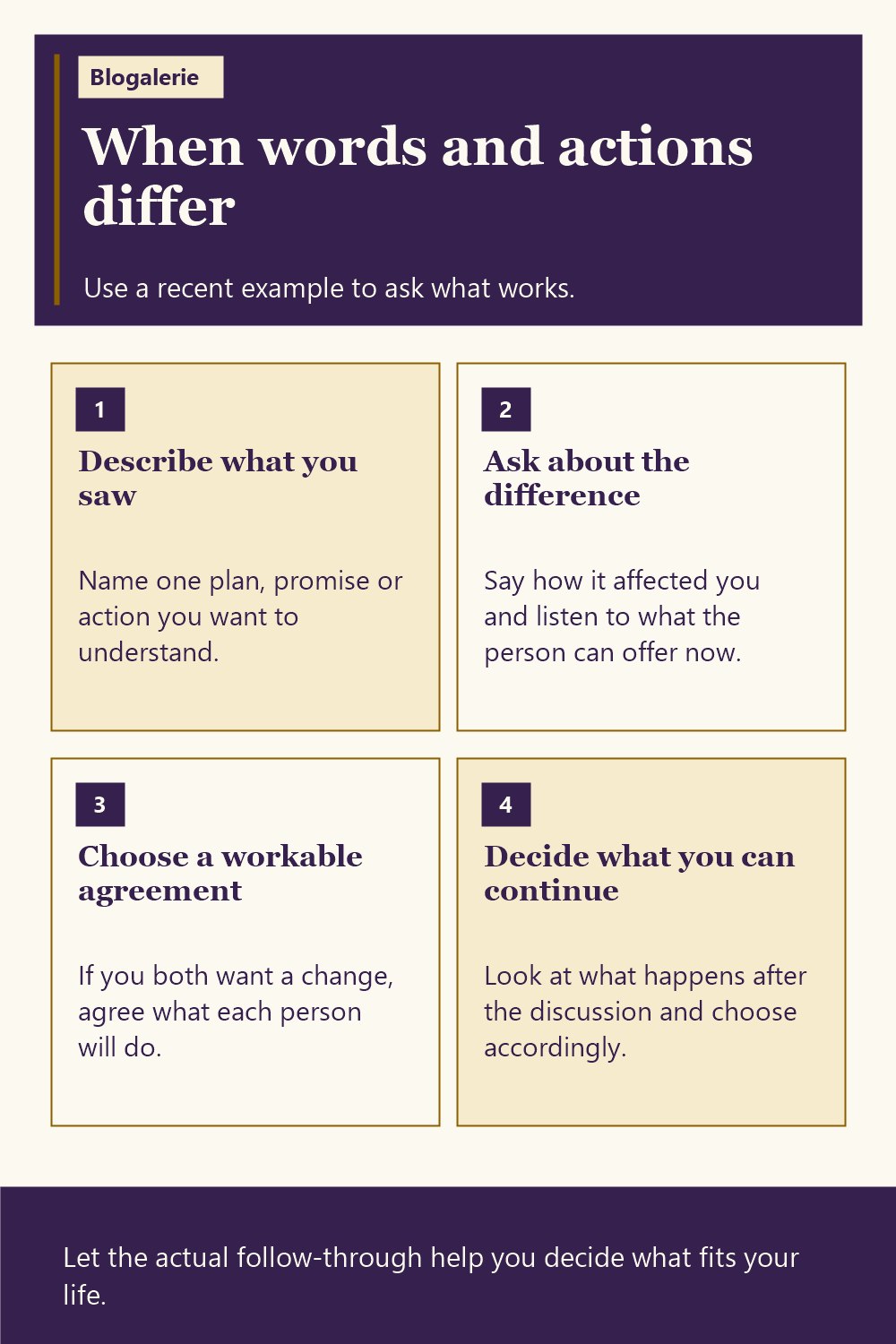
Read the infographic in text
When words and actions differ Use a recent example to ask what works.
- Describe what you saw Name one plan, promise or action you want to understand.
- Ask about the difference Say how it affected you and listen to what the person can offer now.
- Choose a workable agreement If you both want a change, agree what each person will do.
- Decide what you can continue Look at what happens after the discussion and choose accordingly.
Let the actual follow-through help you decide what fits your life.
‘Game-playing’ seems detrimental not just to those involved but also perpetuates harmful stereotypes about dating norms between genders as reflected in Greg’s experience. While some might argue this behavior is innocuous fun, it often leads individuals into emotional distress rather than fostering genuine connections based on trust and respect. Therefore, it becomes imperative for people engaged in dating scenarios like Greg’s to critically evaluate whether they wish to participate in such dynamics or strive towards healthier forms of interaction characterized by mutual understanding.
It’s intriguing how easily miscommunication can lead to escalating tension within romantic interactions, as seen with Greg’s predicament. The phenomenon where one partner engages in elusive behavior while professing affection indicates deeper underlying issues that may need addressing beyond mere surface-level concerns. Such patterns are not uncommon but highlight a critical need for introspection among all parties involved regarding their relational aspirations. It would serve Greg well to consider whether he desires stability or is simply drawn into an emotionally charged cycle that does not fulfill him sustainably.
It’s fascinating how relationships often reveal the complexity of human behavior. Greg’s situation highlights the importance of clear communication and mutual respect in dating. It’s not uncommon for individuals to have different expectations, leading to misunderstandings. While Greg appears to be seeking a genuine connection, the actions of his partner suggest a lack of emotional maturity. This raises broader questions about societal norms and the impact of modern dating culture on interpersonal relationships. Navigating this landscape requires both partners to be transparent about their intentions, which is crucial for fostering a healthy relationship dynamic.
The emotional intricacies presented in Greg’s account are indeed thought-provoking. It raises pertinent questions about gender dynamics and the expectations placed on both men and women in contemporary romantic contexts. The notion that one party might engage in ‘game-playing’ can be indicative of deeper psychological issues, such as insecurity or fear of commitment. It is essential for individuals like Greg to reflect on their own needs while also assessing the behaviors exhibited by their partners. Ultimately, fostering open dialogue may lead to clarity and understanding, which is essential in navigating such perplexing situations.
“Relationships often echo our deepest fears and insecurities; thus it’s no surprise that Greg feels bewildered by his situation with this woman who seems conflicted at best! Such scenarios remind us all that attraction alone does not guarantee compatibility nor foster healthy partnerships devoid of drama… One must tread lightly through emotions ensnared within these interactions while considering if investing further time here aligns with one’s overall well-being—perhaps even reflecting personally upon lessons learned through unfortunate episodes like these could prove invaluable!”
Greg’s experience serves as an excellent case study into relational psychology and attachment styles. His feelings of confusion indicate an imbalance in communication between him and his partner. The discrepancies between her words and actions suggest a significant disconnect that could stem from her own unresolved issues regarding intimacy or commitment. This situation underscores the necessity for individuals to establish boundaries early on in relationships; doing so can mitigate emotional turmoil later down the line. A thoughtful approach would involve assessing compatibility not just on attraction but on fundamental values concerning honesty and integrity.
‘Understanding women’ is indeed a complex endeavor as exemplified by Greg’s narrative—a profound reflection on relational dynamics characterized by unpredictability and emotional labor from both sides involved! The juxtaposition between desire for connection versus actual engagement showcases how personal motivations can skew perceptions within romantic contexts; ultimately leading us back toward self-awareness as essential! Thus highlighting why it remains crucial for all individuals seeking companionship ought to prioritize clarity over confusion when establishing relational foundations moving forward!
Greg’s email encapsulates a common dilemma faced by many individuals navigating modern romance—navigating mixed signals can be challenging at best. His account reflects the nuanced reality that sometimes, partners may not align in their understanding of commitment or communication styles. This disparity can lead one party into a state of confusion or frustration when expectations clash with reality. It raises an important discussion about transparency; perhaps it is time for candid conversations around intentions early in any budding relationship before emotions become entangled.